
Category: Music

  • Sing Praises

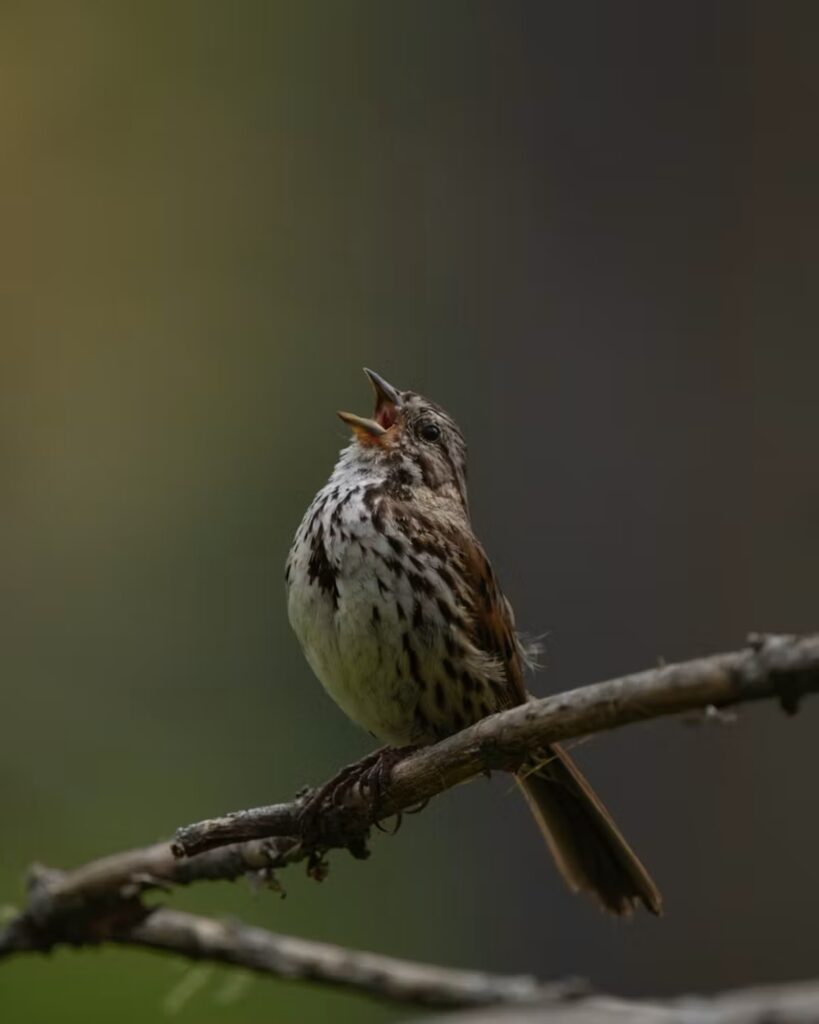
    This morning I was reading in the Psalms. Psalms 120-134 is a group of 15 psalms, traditionally sung by the Jews when going to the temple, the Shir HaMa’alot (literally the songs of going up or the songs of ascent). I picture a crowd of worshippers climbing the road to Jerusalem, singing together, like a group of Christians might sing familiar hymns a cappella.

    There is something moving when a group of believers gathers and praises corporately. I remember a Promise Keepers rally decades ago; I can’t remember who spoke or what they spoke on, but I do remember tens of thousands of men, their voices united, singing praises to the Lord. What a moment.

    The Christian faith is both highly personal and communal. Each of us has a personal relationship with Jesus, but that relationship is designed to function in a larger body of believers. A solo Christian, outside the body, is not functioning as God designed us. 

    We serve one another, bless one another, love one another. We grow together, hold each other accountable and learn to extend and receive forgiveness and grace. We worship together, sing together and encourage each other.

    When the congregation sings a familiar tune, and every voice is lifted in praise, it moves us, and I am certain it praises the Lord. Now, certainly not all of us have great singing voices. My voice was once compared to a bear in work boots walking through a gravel pit. I don’t know exactly what that sounds like, but I know it wasn’t complimentary.

    The point isn’t how well you sing. It’s about opening your hearts and voices to the one who loved us beyond measure and deserves all honor, glory and praise. That’s what the Jewish people would do on the way up to Jerusalem.

    The Word encourages us to sing praises to God.

    Oh come, let us sing to the Lord; let us make a joyful noise to the rock of our salvation! Psalm 95:1 ESV

    And do not get drunk with wine, for that is debauchery, but be filled with the Spirit, addressing one another in psalms and hymns and spiritual songs, singing and making melody to the Lord with your heart. Ephesians 5:18-19 ESV

    Let the word of Christ dwell in you richly, teaching and admonishing one another in all wisdom, singing psalms and hymns and spiritual songs, with thankfulness in your hearts to God. Colossians 3:16 ESV

    To borrow a line from a children’s song, ‘Don’t worry that it’s not good enough for anyone else to hear, just sing.” God knows your voice; He gave it to you, and He delights in hearing your song.

    Sing His praises.

    Be blessed

    Kevin

    SUMMARY

    I’ve been struck by the power of believers lifting their voices together in praise. Our voices don’t have to be beautiful for God to delight in them.

    TAKEAWAY

    A solo Christian, cut off from other believers, isn’t functioning the way God designed you to.

    Your voice doesn’t need to sound good for God to delight in it.

    Scripture commands you to address other believers in psalms, hymns and spiritual songs.

    You might also enjoy

    Why the church needs YOU

    Celebrate your identity in Christ

    God sings over you

    Birdsong – thoughts on the complexity of nature

  • Down to the River

    the river - an invitation

    I caught an old spiritual on YouTube last night, “Down to the River to Pray.” The version I listened to was far too slow for my personal taste, but it got me thinking. It’s been around since the late 1800s, but got a revival of sorts with the movie “O Brother, Where Art Thou?”

    This is Alison Krause’s version . In case you aren’t familiar with the song, the lyrics are:

    As I went down in the river to pray
    Studyin’ about that good ol’ way
    And who shall wear the starry crown?
    Good Lord, show me the way


    [Verse 1]
    O, sisters, let’s go down
    Let’s go down, come on down
    O, sisters, let’s go down
    Down in the river to pray

    It then repeats with sisters being replaced by brothers, fathers, mothers and sinners.

    “As I went down to the river to pray…” is a call to repentance and prayer.

    The river is a place of seeking God. Throughout Scripture, rivers are associated with cleansing, renewal, and God’s saving work. The emphasis is not merely on water but on approaching God in humility and prayer. 

    The imagery naturally evokes baptism, especially the outdoor river baptisms common in the American South. Baptism symbolizes repentance, identification with Christ, cleansing from sin, and entrance into the covenant community (Matthew 3; Acts 2:38; Romans 6:3–4). The song itself does not claim that baptism saves; it uses baptismal imagery as part of a broader call to seek God. 

    “Studyin’ about that good old way.” The phrase is an invitation to faithful discipleship. It refers to learning and walking in God’s ways. It echoes passages such as:

    •          Jeremiah 6:16 (“Ask for the ancient paths…”)

    •          John 14:6 (“I am the way…”)

    •          Acts, where Christianity is repeatedly called “the Way.”

    “Who shall wear the robe and crown?” This points to the believer’s future inheritance. The imagery comes from Revelation:

    •          White robes symbolize those cleansed by Christ (Revelation 7:13–14).

    •          Crowns symbolize the reward of faithful perseverance (Revelation 2:10; 2 Timothy 4:8; James 1:12). 

    Some older versions sing “starry crown” rather than “robe and crown”. While the precise meaning is uncertain, most Christian interpreters understand it as another image of heavenly glory.

    The verse addresses a different group each time: sisters, brothers, mothers, fathers and sinners. This reflects the inclusive call of the gospel: everyone is invited to come to God in repentance and faith.

    Its weakness, if one were looking for doctrinal precision, is simply that it is a spiritual rather than a systematic theological statement. It never explicitly mentions Christ’s atoning death or justification by faith. 

    Instead, it functions as a communal invitation to seek God and walk “the good old way,” using biblical imagery familiar to Christian worshipers.

    In that spirit, allow me to extend an invitation.

    For God so loved the world, that he gave his only Son, that whoever believes in him should not perish but have eternal life. John 3:16 ESV

    Jesus said to him, “I am the way, and the truth, and the life. No one comes to the Father except through me. John 14:6 ESV

    The Spirit and the Bride say, “Come.” And let the one who hears say, “Come.” And let the one who is thirsty come; let the one who desires take the water of life without price. Revelation 22:17

    … if you confess with your mouth that Jesus is Lord and believe in your heart that God raised him from the dead, you will be saved. For with the heart one believes and is justified, and with the mouth one confesses and is saved. Romans 10:9-10

    My brothers and sisters, if you have not already done so, I invite you, and Jesus calls you to come down to the river.

    Be blessed today,

    Kevin

    You might also like: The Gospel, the best news you will ever hear.

    SUMMARY

    I caught an old spiritual on YouTube last night, “Down to the River to Pray,” and it got me thinking well past the melody. Behind its simple imagery of sisters, brothers, mothers, fathers, and sinners going down to the water lies a real call to repentance and discipleship, and I wanted to trace that call back to Scripture and extend it to you.

    TAKEAWAY

    The river imagery in the old spiritual echoes baptism throughout Scripture: cleansing, repentance, and entrance into the covenant community.

    “Studying that good old way” points to walking in God’s truth, from Jeremiah’s ancient paths to Jesus as the Way in John 14:6.

    The song’s inclusive call to sisters, brothers, mothers, fathers, and sinners mirrors the gospel invitation extended to everyone, which the post carries forward with a direct call to salvation.

    CHECK THESE POSTS OUT AS WELL

    Why everyone knows the truth

    Read the Word

    Crowns of glory

    Flood waters