Category: Theology

  • Spoiled Springs

    Beaver damage reminds me of the dangers of false prophets
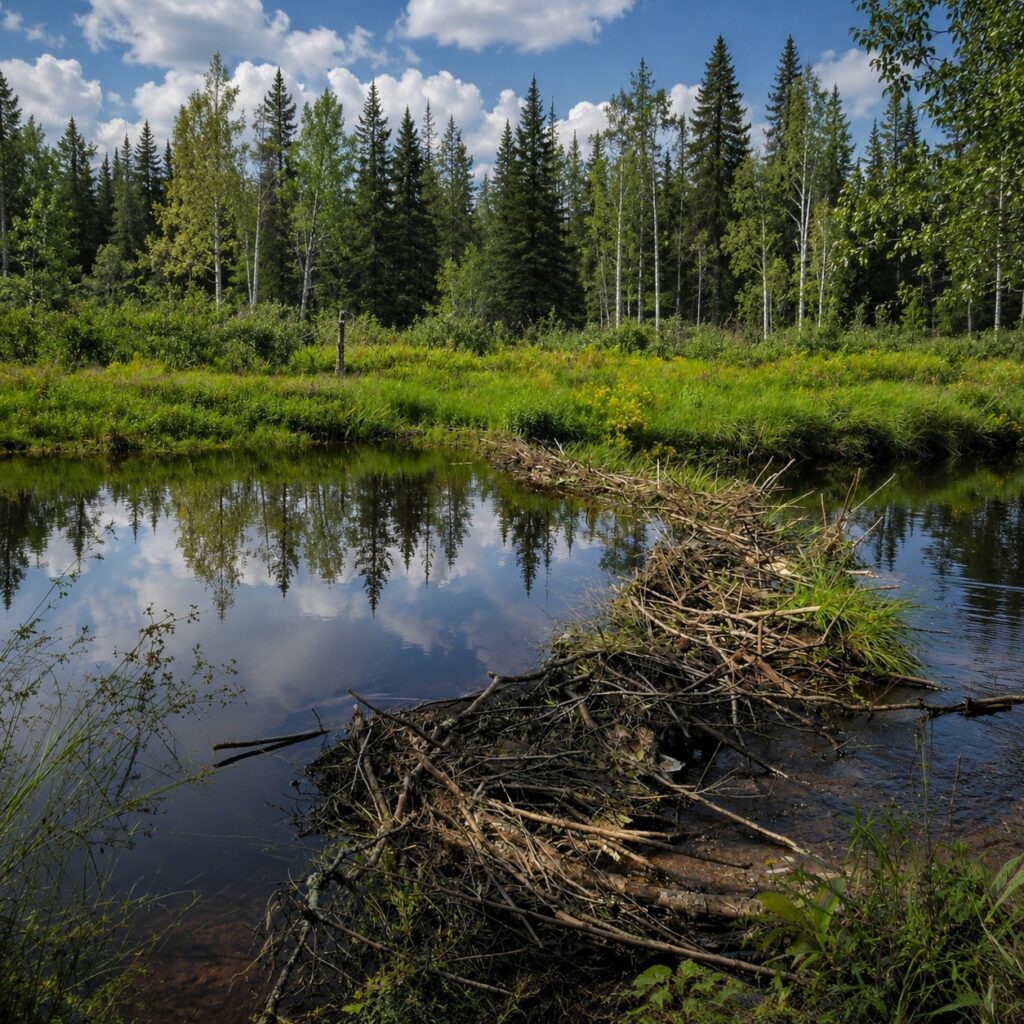
    A beaver dam - the wtar covered over what used to be a fresg cold spring of drinking water

    Years ago, I had been fishing at a nearby lake. Not far away was a spring I had visited many times. The walk into the spring was about a mile. The water was always cold, refreshing and safe to drink. was always worth the hike.

    This time, things were different. An enterprising beaver had built a dam, and the spring was now underwater behind the dam. So much for cold. So much for refreshing. So much for safe to drink. 

    Where there have been beavers around, the water is likely contaminated with Giardiasis (or beaver fever as it’s called in these parts). Giardiasis is an intestinal illness caused by the parasite Giardia lamblia. Beaver fever will leave you with a great deal of ugly abdominal distress for weeks and is highly contagious. It’s not the sort of thing that you want to take a chance with.

    The promise of the refreshing water couldn’t be delivered on.

    Something similar happens with false teachers. They bring false gospels and lies. They twist the truth to serve their own ends and agendas. They seek to please man, not God.

    Beware of false prophets, who come to you in sheep’s clothing but inwardly are ravenous wolves. Matthew 7:15 ESV

    I am astonished that you are so quickly deserting him who called you in the grace of Christ and are turning to a different gospel— not that there is another one, but there are some who trouble you and want to distort the gospel of Christ. But even if we or an angel from heaven should preach to you a gospel contrary to the one we preached to you, let him be accursed.9 As we have said before, so now I say again: If anyone is preaching to you a gospel contrary to the one you received, let him be accursed.
    Galatians 1:6-9 ESV 

    They promise what they can’t deliver. They promise living water, but provide empty wells. They promise freedom, but deliver bondage. They promise salvation but deliver damnation.

    These are waterless springs and mists driven by a storm. For them the gloom of utter darkness has been reserved. For, speaking loud boasts of folly, they entice by sensual passions of the flesh those who are barely escaping from those who live in error. They promise them freedom, but they themselves are slaves of corruption. For whatever overcomes a person, to that he is enslaved. 2 Peter 2:17-19 ESV

    How do we know which teachings are false? By knowing what we believe and why we believe it. By diligent study of the Word. By making sure that we look at Bible passages in context and in comparison to the Word as a whole. By learning some solid Christian doctrine.

    If you don’t know what you believe and why you believe it, then you may find yourself standing at the foot of a dry spring. You could be seeking living water but end up perishing of thirst instead.

    Read the Word. Read the Word. Read the Word.

    May you know the truth, and the truth of Jesus set you free.

    SUMMARY

    I hiked back into a spring I loved, only to find a beaver had dammed it and turned safe water into a health risk. It reminded me that false teachers work the same way — promising living water while handing us something contaminated.

    TAKEAWAY

    A once-safe spring, dammed by a beaver, becomes a picture of how false teaching corrupts something good

    Scripture (Matthew 7:15, Galatians 1:6-9, 2 Peter 2:17-19) warns plainly about false prophets and false gospels

    The safeguard against false teaching is knowing what you believe, studying the Word in context, and standing on sound doctrine

    You MIght Also Like

    Read the Word. Read the Word

    Why no one can say they didn’t know

    Busy Beaver – we need the Holy Spirit

    Pursue what matters – stop chasing dust in the wind

  • I Believe! What does that mean?

    woodland scene with the text I believe

    I believe… that’s a word that we throw about pretty easily in Christian circles, but do we?

    What does it mean to believe?

    In John’s gospel, he uses the verb “believe” about one hundred times and never uses the noun. This shows that John viewed believing as an active demonstration of faith and not merely an intellectual assertion. Here are a few examples.

    “Let not your hearts be troubled. Believe in God; believe also in me. John 14:1 ESV

    Do you not believe that I am in the Father and the Father is in me? The words that I say to you I do not speak on my own authority, but the Father who dwells in me does his works. Believe me that I am in the Father and the Father is in me, or else believe on account of the works themselves. “Truly, truly, I say to you, whoever believes in me will also do the works that I do; and greater works than these will he do, because I am going to the Father. John 14:10-12 ESV

    I am telling you this now, before it takes place, that when it does take place you may believe that I am he. John 13:19 ESV

    The reformers had a defining formula for this type of belief or faith: “Notitia, Assensus, Fiducia.”

    Notitia (knowledge)

    The content of faith — understanding what is being believed. This is the cognitive element: knowing the facts of the gospel, the person and work of Christ, the doctrines of Scripture. Faith isn’t blind; it has an object and content that must be grasped. Without notitia, there’s nothing to believe.

    Assensus (assent)

    Intellectual agreement that the content is true. This goes beyond merely knowing the facts to affirming them as true — a conviction of the mind that what Scripture teaches is accurate and trustworthy. Even demons have this kind of assent (James 2:19), which is why the Reformers insisted it isn’t sufficient on its own.

    Fiducia (trust)

    Personal trust and reliance — the heart’s confidence resting on Christ himself, not merely agreeing that certain propositions about him are true. This is the volitional/relational element: a personal, saving embrace of Christ, trusting him for salvation rather than just affirming facts about him. The Reformers argued this is what distinguishes living faith from a merely intellectual or “historical” faith.\

    True belief, true faith, is neither mere head-knowledge nor mere feeling, but knowledge, conviction, and trust held together.

    Do you believe Jesus? Or is what you have something less?

    My prayer is that you truly believe in the sense John uses the Word and the reformers spoke of it.

    May God richly bless you today

    Subscribe today

    SUMMARY

    John never once uses “believe” as a noun in his gospel, only ever as a verb, and that tells us something we tend to forget: believing isn’t just something we think; it’s something we do. Does our faith hold together the knowledge, the agreement, and the trust the reformers called notitia, assensus, fiducia, or have we settled for something less?

    TAKEAWAY

    John’s exclusive use of “believe” as a verb, never a noun, reveals that faith in Scripture is inherently active. 

    The reformers’ formula, notitia, assensus, fiducia, distinguishes true saving faith from mere intellectual agreement, the kind even demons possess. 

    True belief holds knowledge, conviction, and trust together, calling us to examine whether our faith in Christ is genuine or merely surface-level.

    You might also like

    The gospel – the best news you will ever hear

    Right belief or right living?

    Muskrats, Piffles and joy

    Who decides who the church is