Issue 1949 – Gospel of Barabbas – March 31, 2026
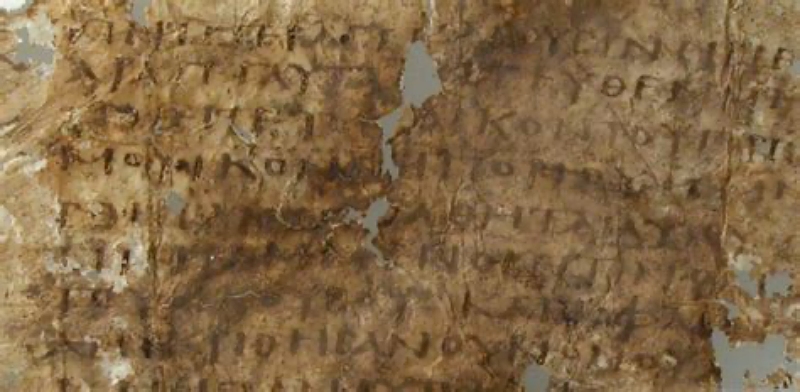
Let’s talk about the gospel of Barabbas. It’s not some new book that’s been found; in fact, as far as I can research, historically, such a book has never existed.
The gospel of Barabbas is the name I’m giving to a profound passage that appears in all four gospels. It doesn’t really have anything to do with Him, but it’s a great visual of the gospel of Jesus Christ played out in the life of Barabbas.
It’s the night Jesus faces the mock trials and is condemned for crimes he did not commit. The Jewish leaders have pushed him before Pontius Pilate and Herod, demanding his death. Pilate and Herod don’t want anything to do with the situation, but the crowds become dangerously unruly and Pilate gives in.
But they all cried out together, “Away with this man, and release to us Barabbas”— a man who had been thrown into prison for an insurrection started in the city and for murder. Pilate addressed them once more, desiring to release Jesus, but they kept shouting, “Crucify, crucify him!” A third time he said to them, “Why? What evil has he done? I have found in him no guilt deserving death. I will therefore punish and release him.” But they were urgent, demanding with loud cries that he should be crucified. And their voices prevailed. So Pilate decided that their demand should be granted. He released the man who had been thrown into prison for insurrection and murder, for whom they asked, but he delivered Jesus over to their will.Let’s talk about the gospel of Barabbas. It’s not some new book that’s been found; in fact, as far as I can research, historically, such a book has never existed.
The gospel of Barabbas is the name I’m giving to a profound passage that appears in all four gospels. It doesn’t really have anything to do with Him, but it’s a great visual of the gospel of Jesus Christ played out in the life of Barabbas.
It’s the night Jesus faces the mock trials and is condemned for crimes he did not commit. The Jewish leaders have pushed him before Pontius Pilate and Herod, demanding his death. Pilate and Herod don’t want anything to do with the situation, but the crowds become dangerously unruly and Pilate gives in.
But they all cried out together, “Away with this man, and release to us Barabbas”— a man who had been thrown into prison for an insurrection started in the city and for murder. Pilate addressed them once more, desiring to release Jesus, but they kept shouting, “Crucify, crucify him!” A third time he said to them, “Why? What evil has he done? I have found in him no guilt deserving death. I will therefore punish and release him.” But they were urgent, demanding with loud cries that he should be crucified. And their voices prevailed. So Pilate decided that their demand should be granted. He released the man who had been thrown into prison for insurrection and murder, for whom they asked, but he delivered Jesus over to their will. Luke 23:18-25
Barabbas was a bad dude. A rebel against Rome and a murderer, essentially a murdering terrorist. Yet the religious leaders would rather see him free, and Jesus killed. Further in the text, we see that it is fulfilled.
Jesus dies so that a guilty man can go free. That’s a physical manifestation of the gospel. Jesus came to die so that you and I would be reconciled to God and set free from the penalty of our sin.
We don’t know what happened to Barabbas after he was freed. The Bible doesn’t tell us, and his name isn’t recorded anywhere else. Did he change his ways? Did he continue as a terrorist?
That’s also the way of the gospel. Jesus has done His part to set the guilty free. What becomes of that sacrifice depends on what we do with Jesus. We can accept or reject his offer of freedom.
Perhaps, we’re not murdering insurrectionists. Yet, we are all guilty of sinning against the Lord, and without Jesus, there is no way for us to be free.
If you haven’t already done so, allow Jesus to free you. If you are a believer, give Him praise and thanks for what he has done.
Be blessed
Kevin
__________________________________________
Please like and share this with your friends and those in your circle of influence.
Did you know that we have an email version? Subscribe today
___________________________________________
All contents, “Gleanings From the Word” and “Experience an Extraordinary God in Ordinary Life,” are © 2001, 2026 K.F. “Kevin” Corbin, “Gleanings From the Word.”
Unless otherwise noted, “Scripture quotations are from The ESV® Bible (The Holy Bible, English Standard Version®), © 2001 by Crossway, a publishing ministry of Good News Publishers. Used by permission. All rights reserved
Barabbas was a bad dude. A rebel against Rome and a murderer, essentially a murdering terrorist. Yet the religious leaders would rather see him free, and Jesus killed. Further in the text, we see that it is fulfilled.
Jesus dies so that a guilty man can go free. That’s a physical manifestation of the gospel. Jesus came to die so that you and I would be reconciled to God and set free from the penalty of our sin.
We don’t know what happened to Barabbas after he was freed. The Bible doesn’t tell us, and his name isn’t recorded anywhere else. Did he change his ways? Did he continue as a terrorist?
That’s also the way of the gospel. Jesus has done His part to set the guilty free. What becomes of that sacrifice depends on what we do with Jesus. We can accept or reject his offer of freedom.
Perhaps, we’re not murdering insurrectionists. Yet, we are all guilty of sinning against the Lord, and without Jesus, there is no way for us to be free.
If you haven’t already done so, allow Jesus to free you. If you are a believer, give Him praise and thanks for what he has done.
Be blessed
Kevin
__________________________________________
Please like and share this with your friends and those in your circle of influence.
Did you know that we have an email version? Subscribe today
___________________________________________
All contents, “Gleanings From the Word” and “Experience an Extraordinary God in Ordinary Life,” are © 2001, 2026 K.F. “Kevin” Corbin, “Gleanings From the Word.”
Unless otherwise noted, “Scripture quotations are from The ESV® Bible (The Holy Bible, English Standard Version®), © 2001 by Crossway, a publishing ministry of Good News Publishers. Used by permission. All rights reserved